School for Dental Assistant in Sterling: What to Look For and How to Choose
Picking a school for dental assistant training is one of the most important decisions you’ll make on the path to a new career. The right school sets you up with real skills, job confidence, and a clear path forward. The wrong one wastes your time and money.
Here’s a practical guide to help you evaluate schools in Sterling — what to prioritize, what to ask, and what to avoid.
What makes a good school for dental assistant training?
1. Hands-on clinical practice
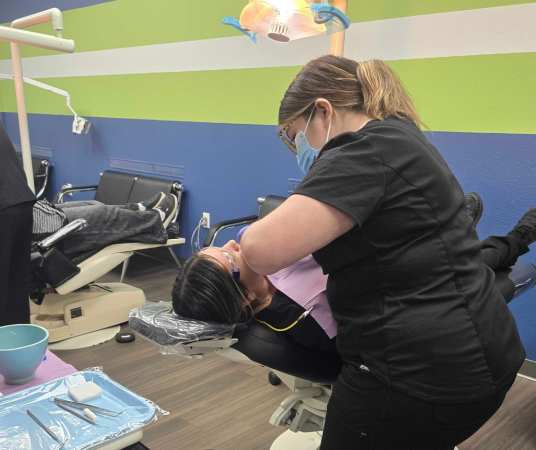
Dental assisting is physical work. You’re sterilizing instruments, setting up trays, taking X-rays, assisting chairside, and communicating with patients who may be anxious or in pain. A school that teaches this entirely through textbooks and videos is leaving out the most important part.
Look for a program that includes supervised, hands-on practice — ideally with real equipment and realistic clinical scenarios.
2. A focused, structured curriculum
The curriculum should be organized around specific competencies, not just a list of topics. By the end of the program, you should be able to confidently perform:
- Chairside assisting during various procedures
- Instrument sterilization and infection control
- Dental X-ray techniques
- Patient communication and intake
- Front-office administrative tasks
3. Transparent tuition
You should know exactly what you’re paying before you sign anything. A good school publishes its tuition clearly and explains what’s included — materials, exams, uniforms, and any other fees.
4. Reasonable program length
You don’t need to spend a year or more in school to become a dental assistant. Many dental assistant programs can be completed in a matter of months — especially accelerated dental assistant programs that focus on the skills you’ll actually use on the job.
5. Career support after graduation
Training that ends the day you graduate isn’t enough. Good schools provide resume help, job search guidance, and connections to local employers.
6. No prior experience required
The best programs are designed for beginners. You shouldn’t need college credits, science prerequisites, or previous healthcare experience to get started.
Red flags to watch for
Not every school for dental assistant training is worth your investment:
- No hands-on component — you won’t be ready for clinical work without practice
- Vague curriculum descriptions — if they can’t tell you specifically what you’ll learn, keep looking
- Hidden fees — some schools advertise low tuition but charge extra for materials, exams, or certifications
- High-pressure enrollment — a good school gives you time to make an informed decision
- No career support — graduating with no job search guidance puts you at a disadvantage
Questions to ask before enrolling
- What clinical skills will I practice during the program?
- How long is the program from start to finish?
- What is the total cost, including all fees?
- Are payment plans available?
- Does the program prepare me for a certification or registration exam?
- Do you offer career support or externship placement?